

Futurkind Insights
From future trends to timeless truths, discover insights that fuel growth, ignite imagination, and advance human potential.
Archive
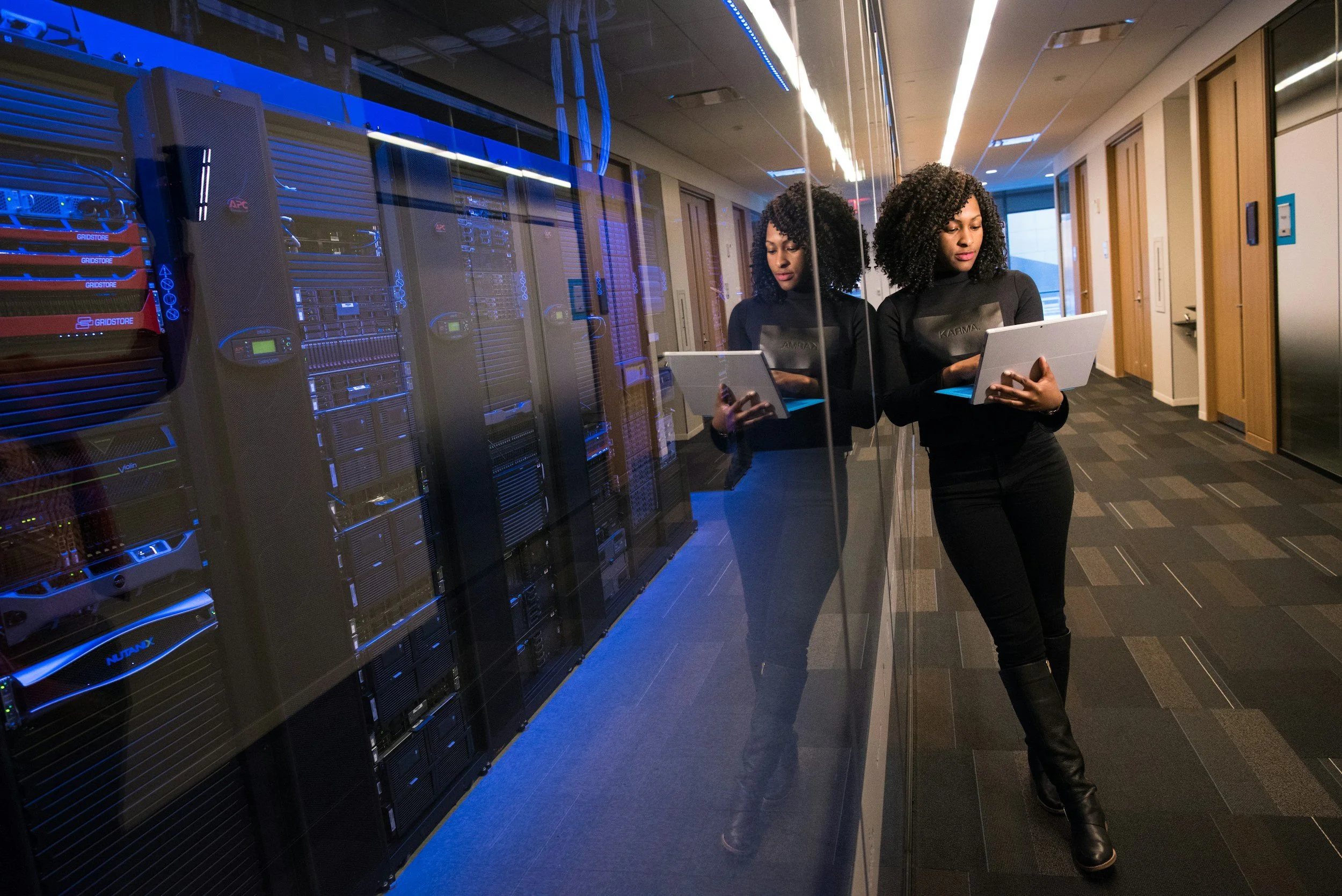
Future Careers in Technology: Where Human Insight Meets Intelligent Systems
Technology has always been a story of transformation — from the steam engine to the smartphone, each wave reshaping not only industries but identities. Today, Artificial Intelligence (AI), automation, and Generative AI are driving the next major shift. These intelligent systems are beginning to generate code, create art, and analyze data with unprecedented speed, shifting human roles from execution to orchestration.

AI and the Future of Creative Work: Reimagining Imagination
Creativity has always been humanity’s wild card — our ability to turn chaos into meaning, ideas into art, and constraints into innovation. But now, with Artificial Intelligence composing music, designing logos, and drafting stories, we find ourselves at a turning point.
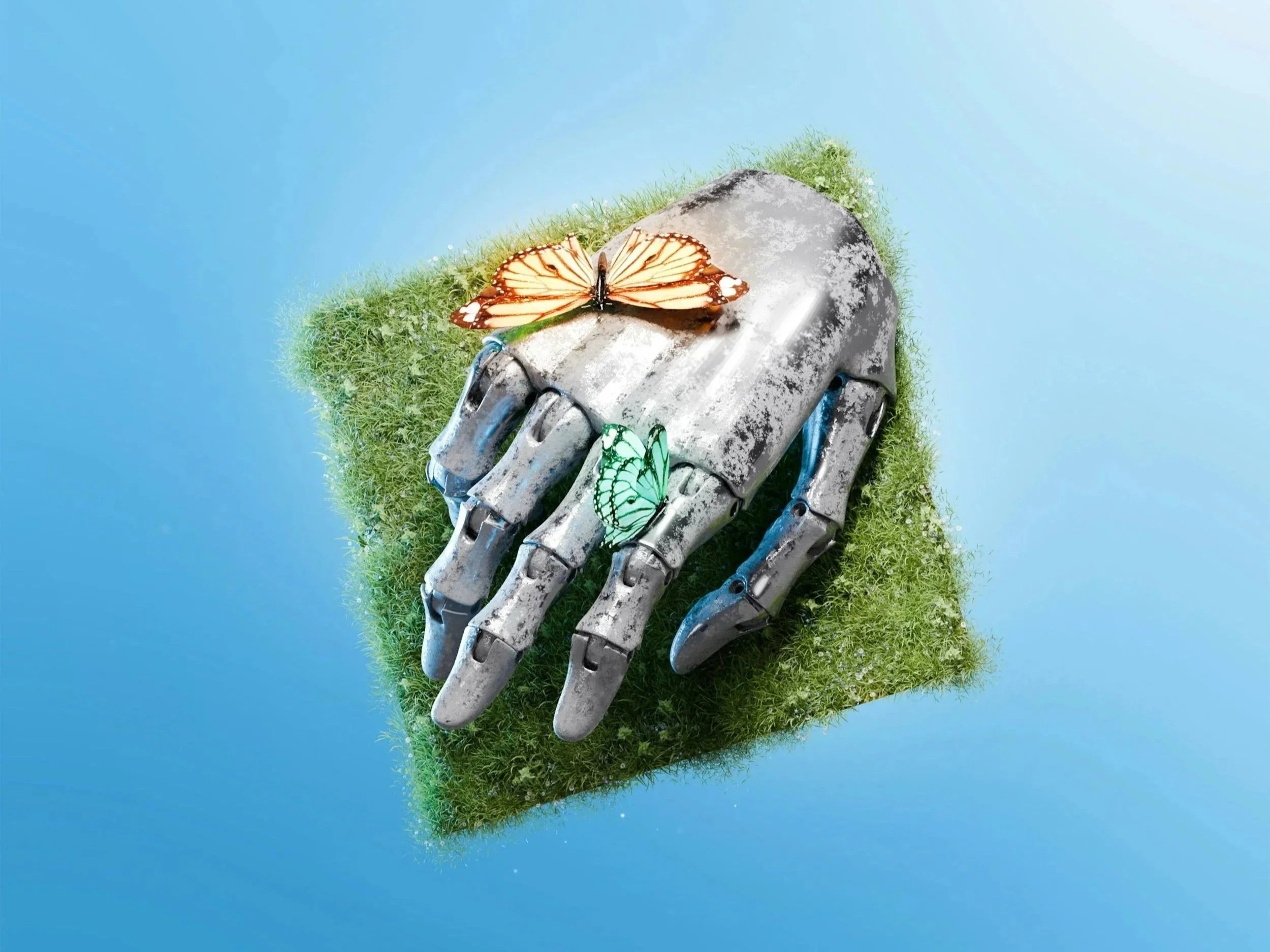
AI and the Future of Work in the United States: Building a Human-Centered Economy
The United States stands at a defining crossroads. The engines of growth that powered the last century were industrial power, productivity, and global expansion. Artificial Intelligence and automation are changing these engines.
“AI and the future of work in the United States” isn’t just about new technologies. It’s about how intelligent technologies are reshaping the labor market, the nature of opportunity, and the meaning of work itself.

AI and the Future of Work: Building a Human-Centered Economy
The world of work is shifting faster than at any point in modern history. Artificial Intelligence is no longer an experiment running quietly in the background — it’s here, reshaping industries, redefining roles, and re-wiring what it means to contribute. But “AI and future of work” isn’t just about machines. It’s about us — our capacity to adapt, to create, and to bring purpose back into the center of productivity.


The Future of Wellbeing - and Why it Will Redefine Every Industry
Wellbeing. For centuries, it was narrowly defined — the absence of illness, the maintenance of physical health. Over time, it grew to include mental health, emotional resilience, and more recently, social and environmental dimensions. Today, the very meaning of wellbeing is evolving yet again. It’s no longer just about self-care or balance; it’s about how we, as humans, relate to the systems around us — economic, cultural, planetary.

Why Imagination is the New Leadership Skill: Future Jobs and Skill for 2030 and Beyond
The future of work isn’t waiting politely in the wings — it’s sprinting toward us at breakneck speed. Technology is evolving faster than most leaders can process, industries are being reshaped in real time, and academic institutions are scratching their heads wondering if their current programs will be obsolete before the next graduating class crosses the stage.